

1. Introduction
Passwords are no longer enough to keep hackers out. In 2025, cybercriminals use stolen password databases, phishing scams, and even AI tools to guess or crack your login details. That’s where Multi-Factor Authentication (MFA) comes in — it’s like adding a second lock to your digital door.
2. What is Multi-Factor Authentication?
MFA is an extra layer of security that requires you to verify your identity in more than one way before logging in.
Instead of just entering a password, you might also:
- Enter a code sent to your phone
- Approve a notification in an app
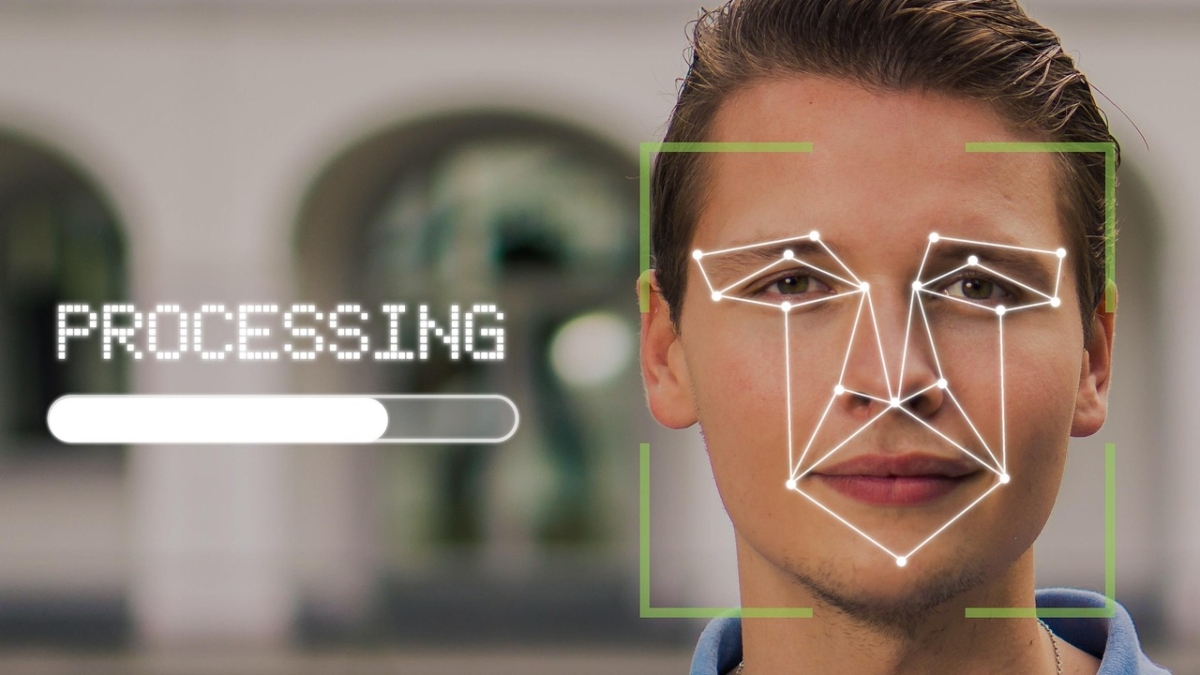
- Use your fingerprint or face scan
3. How MFA Protects You from Hackers
Even if a hacker steals your password, they still need the second verification step to get in.
For example:
- A phishing scam tricks you into giving your login details
- The hacker tries to log in but gets stuck because they don’t have your phone or security key
4. Types of MFA
SMS Codes
- A code sent via text message.
- Easy to use but can be less secure if your SIM card is stolen.
Authenticator Apps
- Apps like Google Authenticator or Authy generate codes on your phone.
- More secure than SMS.
Push Notifications
- An app sends you a “Yes/No” prompt to approve login attempts.
Hardware Security Keys
- A small USB or NFC device (like YubiKey) that you plug in or tap.
- Very secure, especially for sensitive accounts.
5. Where You Should Enable MFA Immediately
- Email accounts (Gmail, Outlook)
- Banking and payment apps
- Social media (Facebook, Instagram, LinkedIn)
- Cloud storage (Google Drive, Dropbox)
- Work accounts and VPN access
Have questions or want a tailored cybersecurity strategy? Reach out — let’s make sure you and your data stay safe in this ever-evolving digital landscape.
Add a Comment